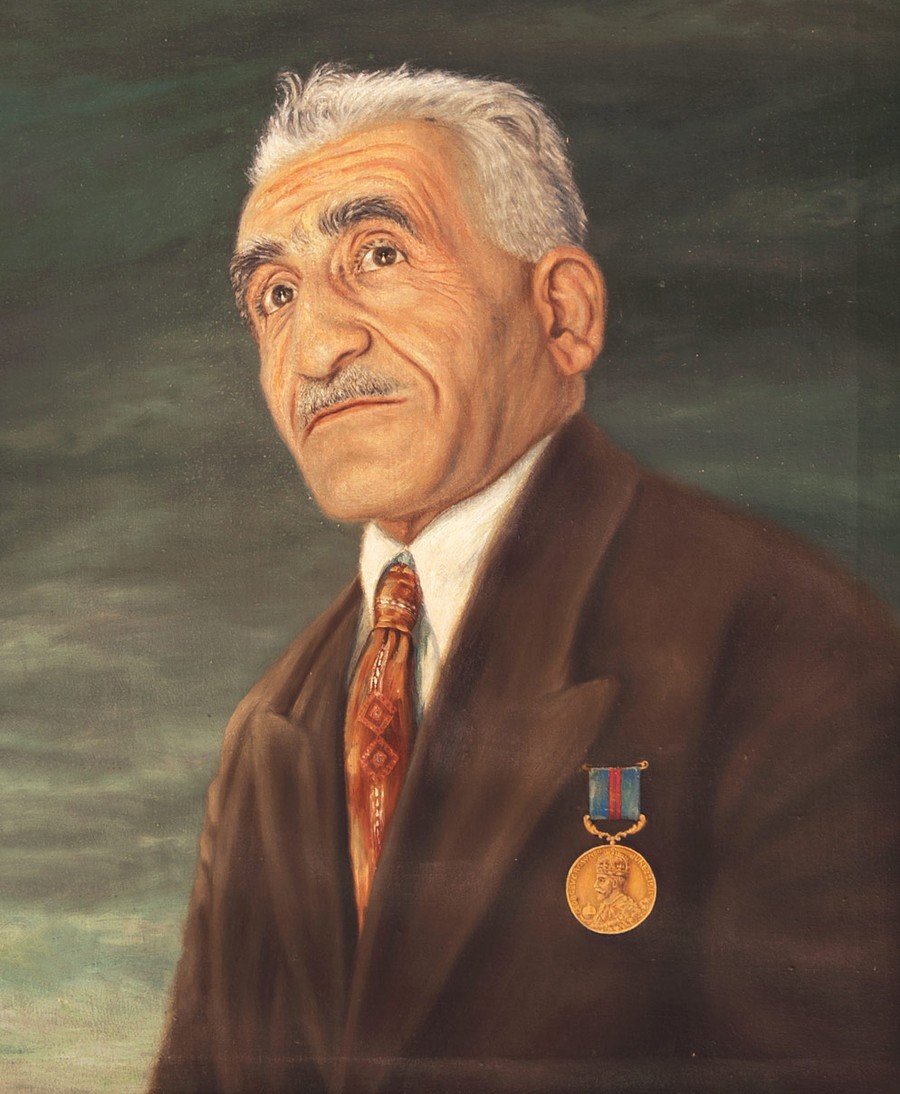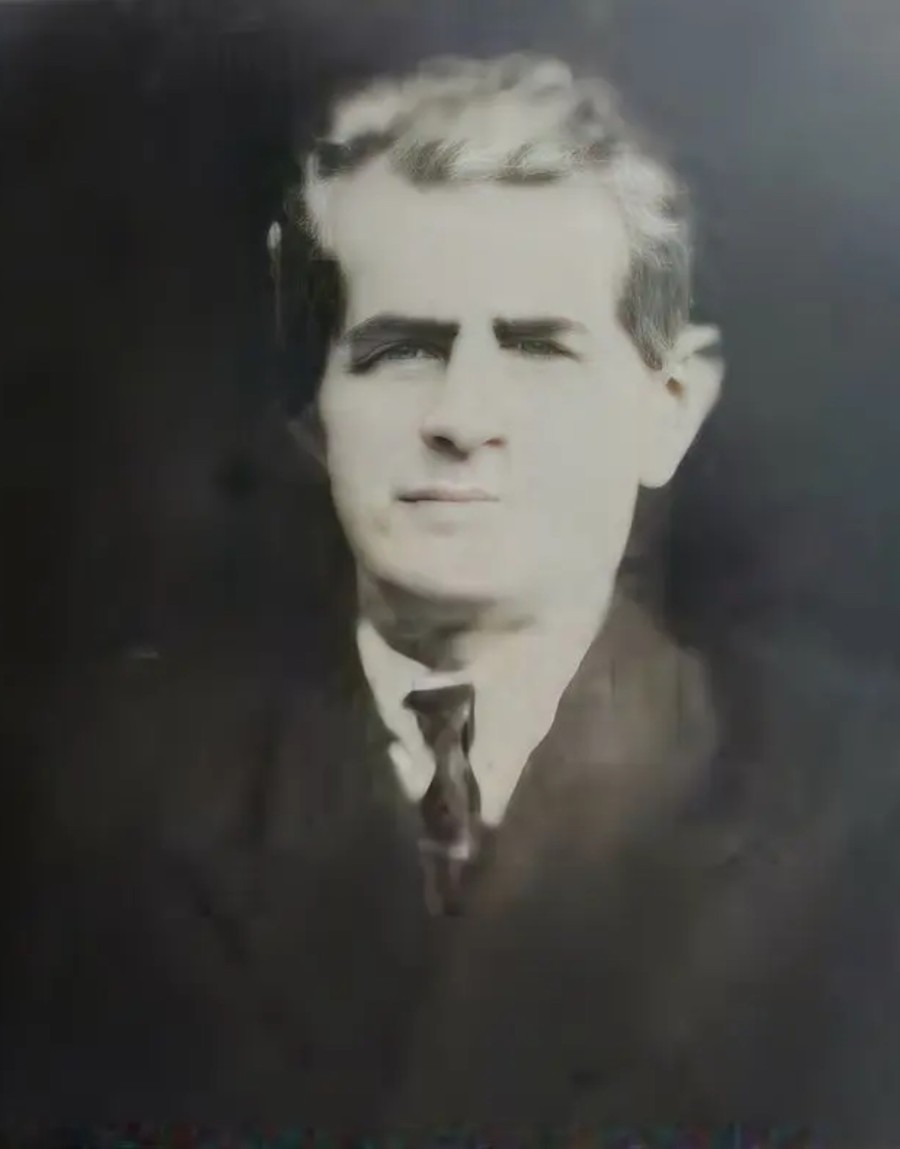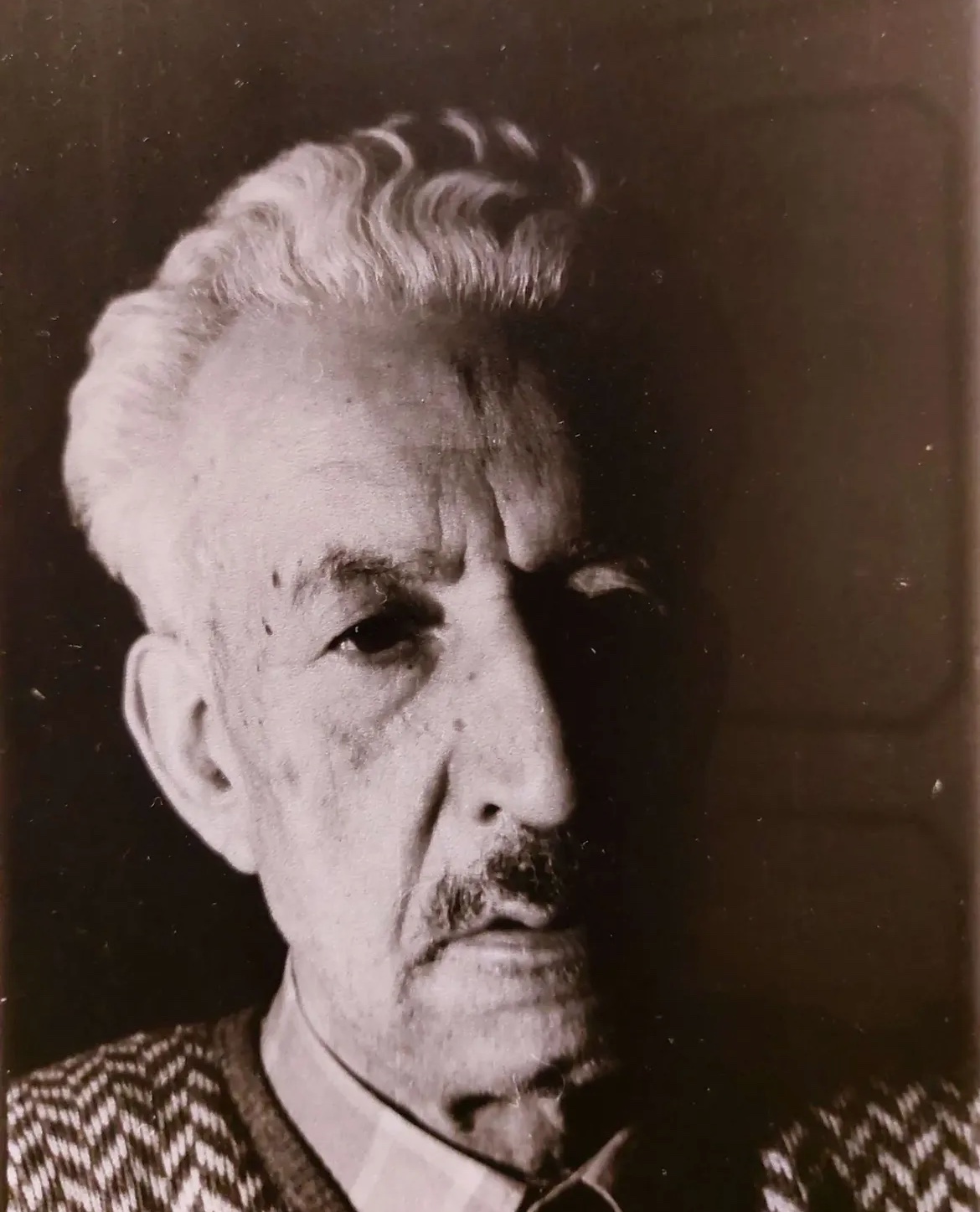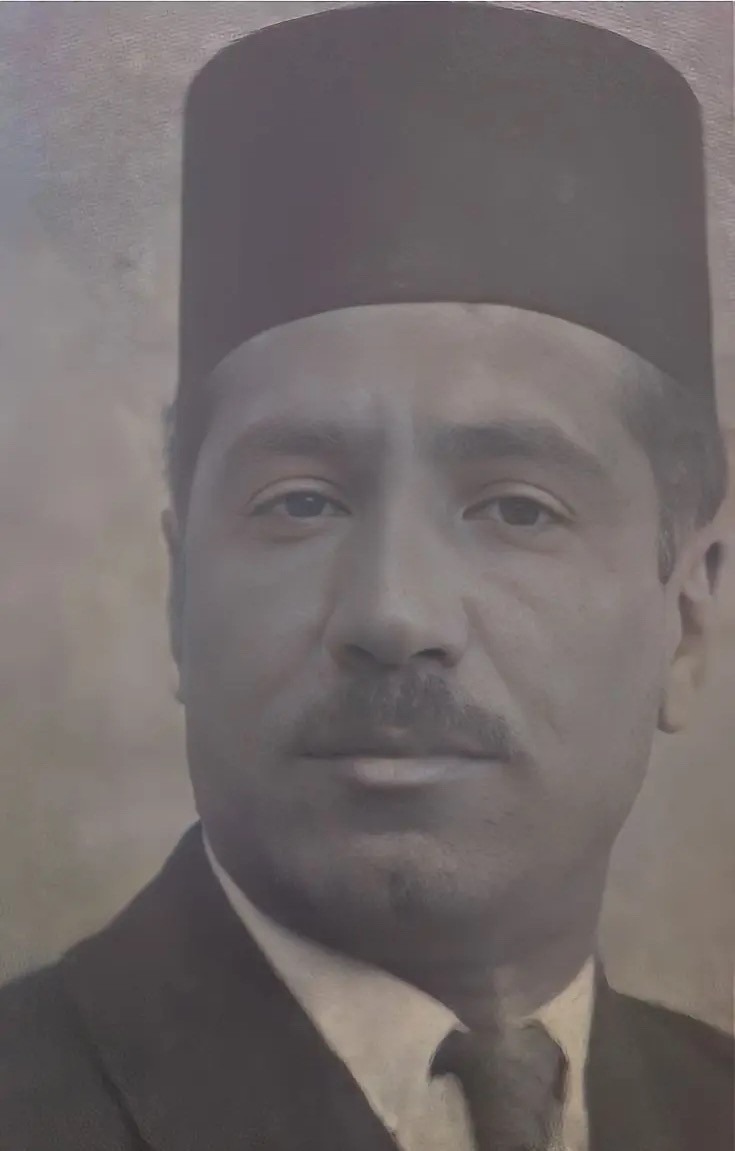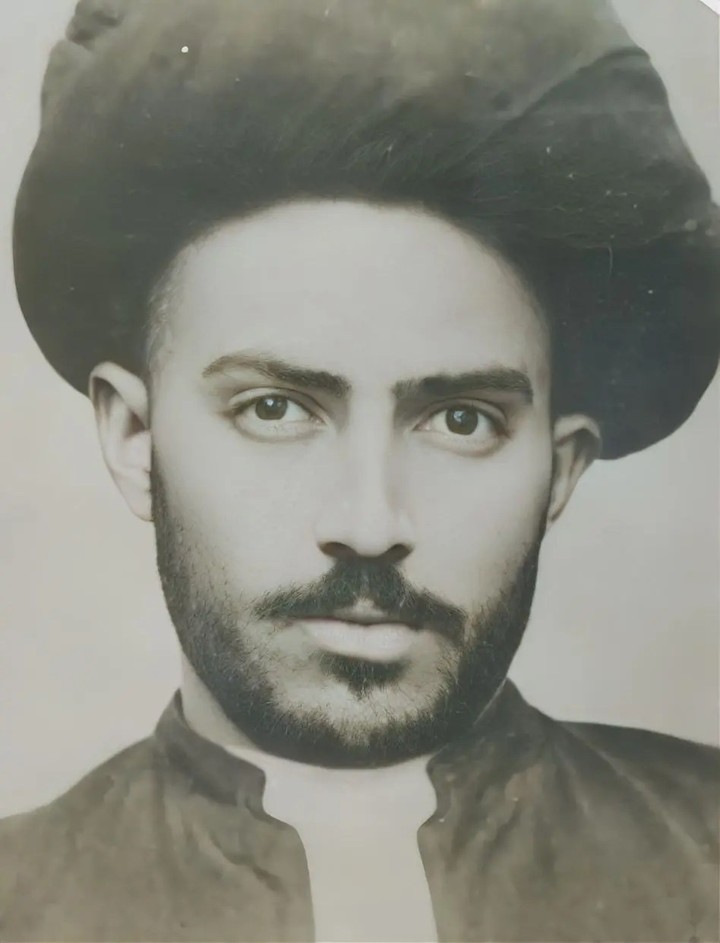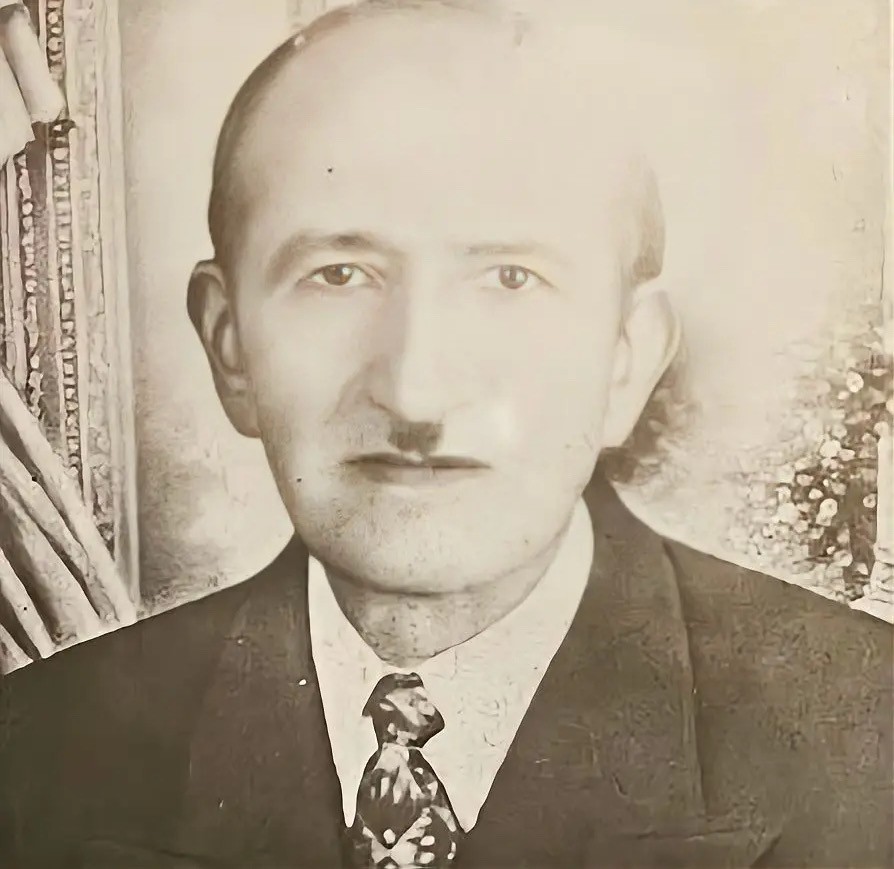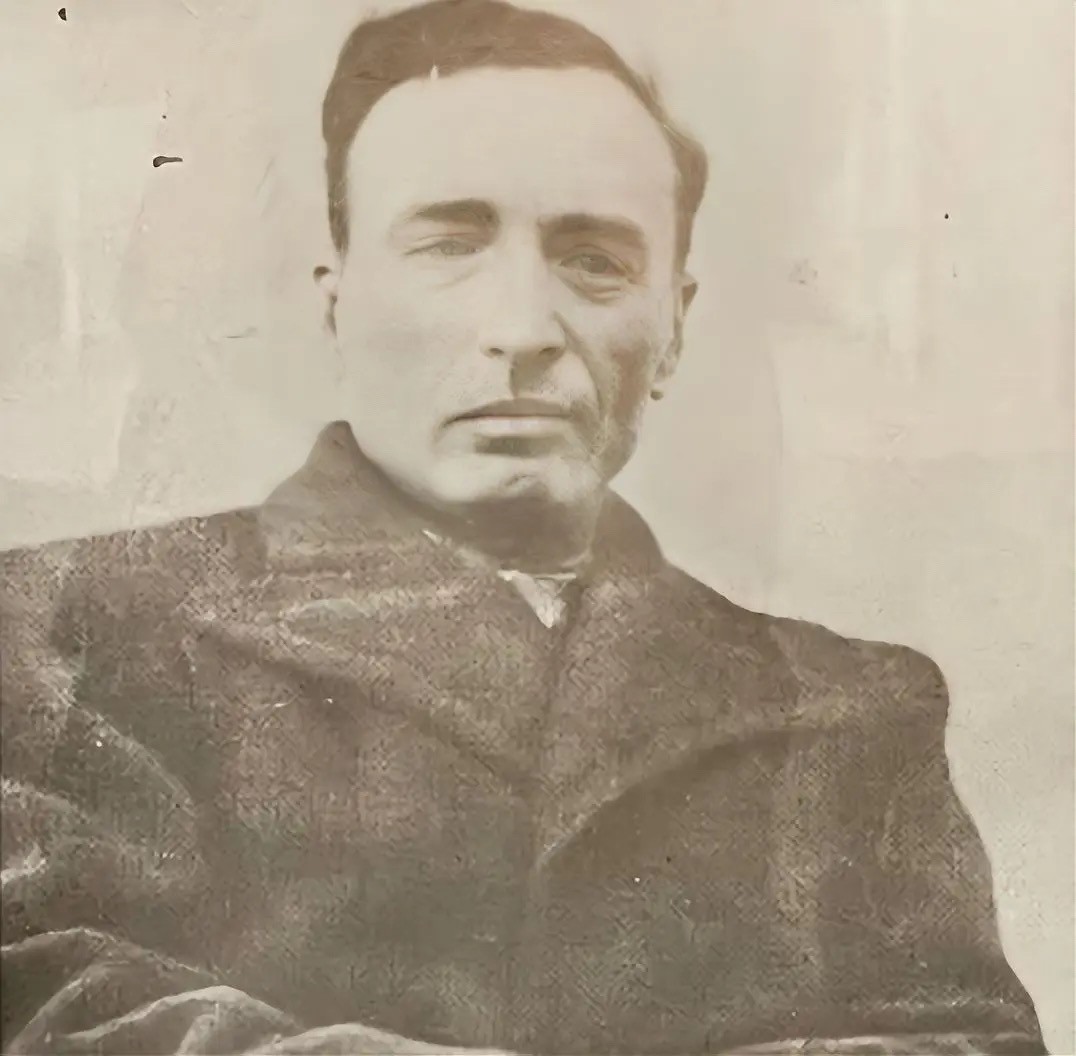
Abbas Karbasioun
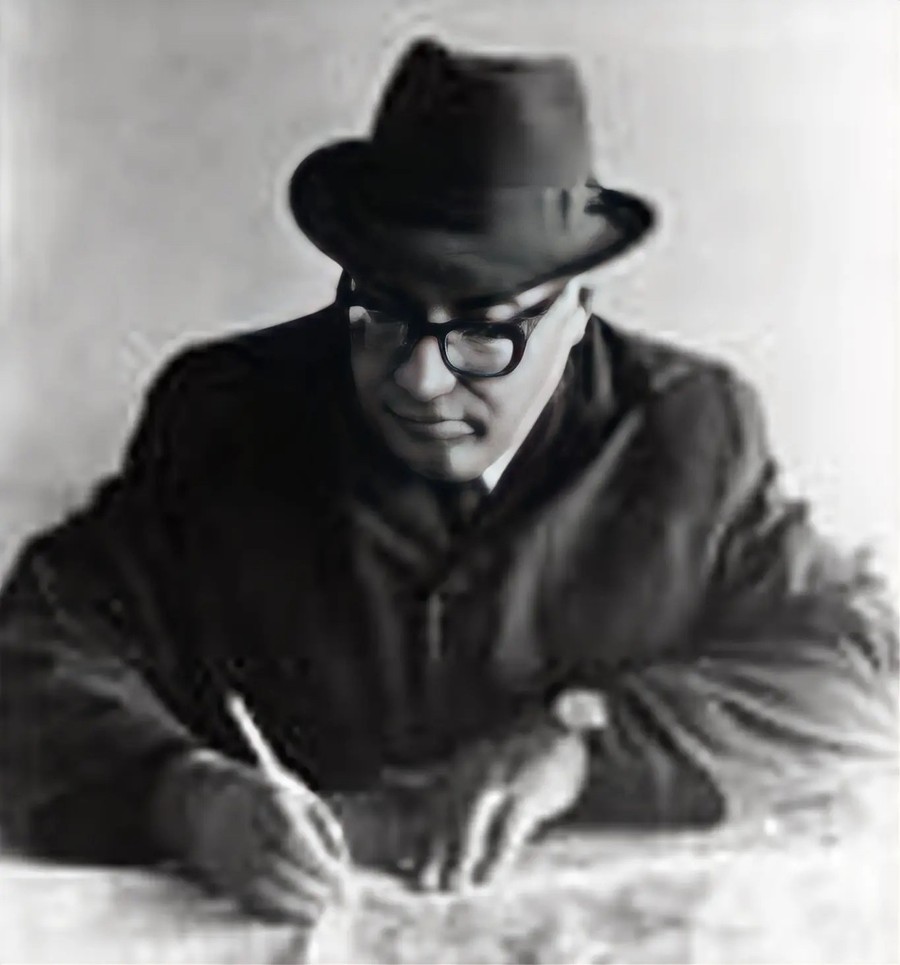
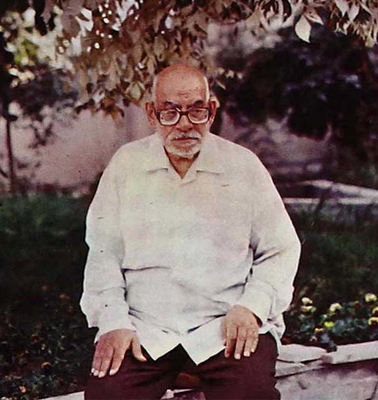
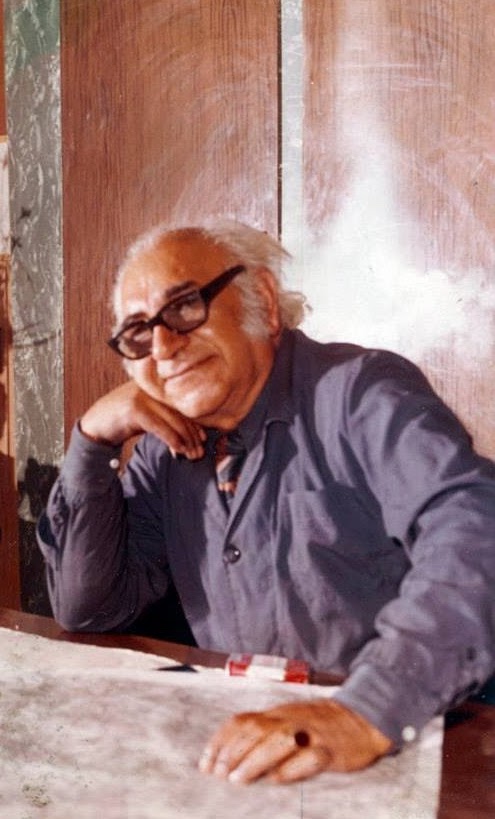
Abbas Karbasioun was born in Isfahan in 1922, in the Chahar Souq quarter. His father and grandfather were builders of the city. He left school after the sixth year and went to learn the art of drawing, first under Haj Mosavvar-ol-Molki and then under Ahmad Archang. By the age of eighteen he was working on his own, designing for both the carpet loom and the tile kiln.
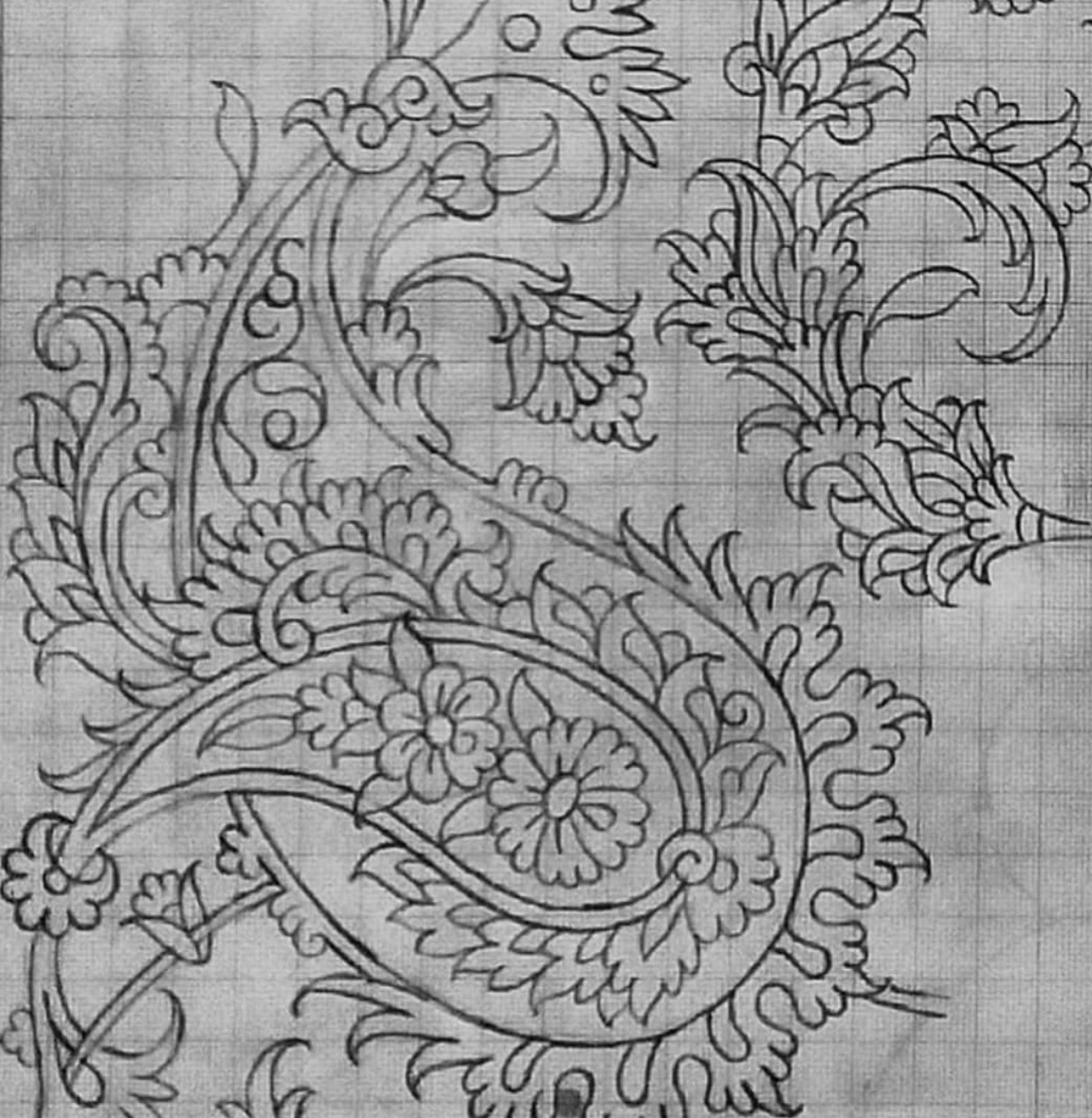
His gift was for the eslimi and the khatai, the arabesque and the floral scroll. He followed the traditional patterns of Isfahan and drew them at a scale few others could manage. He said once that he had no teacher but the Naqsh-e Jahan square itself, that his only book was the mosque of Sheikh Lotfollah and the Ali Qapu beside it, and that the true master of every Isfahan designer was Reza Abbasi. His finest carpet designs went to the looms of the city, and his tilework went further still. His patterns cover the walls of the Shrine of Imam Reza in Mashhad, the Shrine of Zeinab in Damascus, the shrines of Karbala, and the Goharshad Mosque. The tile-maker Ali Panjeh-pour, for whom he drew many of these works, called him a prodigy and the reviver of tile design in his age.
He trained a number of the carpet and tile designers who followed him in Isfahan. He died on 30 May 1992, at the age of seventy, and is buried in the Bagh-e Rezvan cemetery.